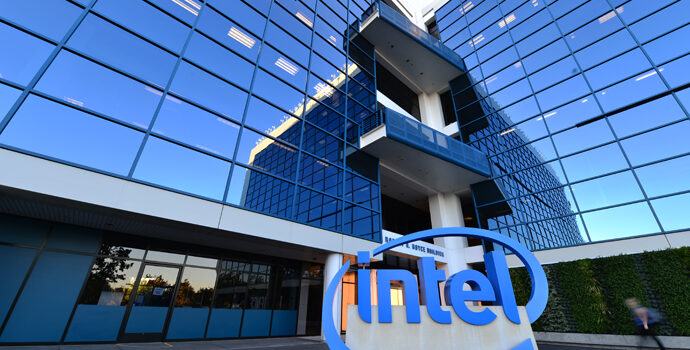
Intel Barcelona Hub
Intel has turned Barcelona into a strategic cornerstone for its European strategy, focusing on two major high-tech pillars: Next-Generation Microchips and Autonomous Driving.
1. The Semiconductor Design Center (Zetta-Scale)
In collaboration with the Barcelona Supercomputing Center (BSC), Intel has invested €400 million over ten years to create a laboratory for high-performance computing.
- The Mission: Designing Zetta-scale processors. These are chips 1,000 times faster than today’s most powerful supercomputers.
- RISC-V Technology: The hub is a pioneer in using RISC-V, an open-source architecture that aims to reduce Europe’s dependence on proprietary American or British chip technologies (like ARM or x86).
- Sovereignty: This project is part of the “PERTE Chip” initiative, aimed at making the EU a global leader in semiconductor manufacturing.
2. Mobileye (Autonomous Driving Hub)
Intel’s subsidiary Mobileye (the world leader in computer vision for cars) also considers Barcelona a key “living lab.”
- Autonomous Fleets: Mobileye uses Barcelona’s streets to test its Robotaxi technology and autonomous mapping (REM).
- Infrastructure: They work closely with the city council to integrate AI into traffic management and urban safety.