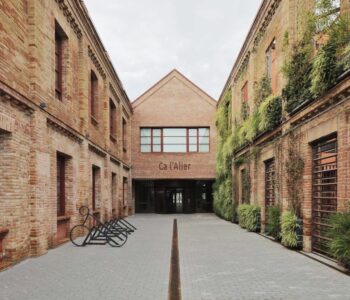
ca l'alier

Barcelona Urban Lab

Barcelona Urban Lab uses the city as a live testing ground for innovative urban projects. It provides companies with real-world public spaces to pilot new technologies—such as smart sensors for parking or advanced mobility solutions—before they are commercialized. Backed by the Barcelona City Council, this initiative aims to promote economic growth, improve public services, and transform the city into a hub for smart technology and sustainability. 

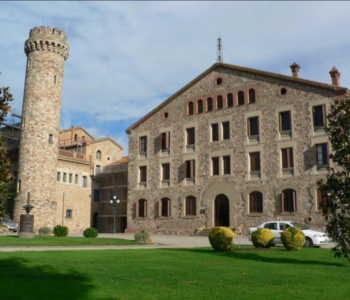
Ca l’Alier is a leading urban innovation center located in Barcelona’s Poblenou district. Housed in a beautifully restored 19th-century textile factory, it serves as a collaborative hub where technology companies, startups, and the city council work together to develop smart city solutions. It is a symbol of the city’s commitment to sustainability and digital transformation.

Key Aspects:

  • Location: Primarily focused in areas like the 22@ innovation district.
  • Objective: To overcome regulatory barriers for startups and companies testing innovative products in natural environments.
22@ network

22@ Network Barcelona

The 22@Network Barcelona is a private business association founded in 2004 that acts as the primary representative for companies and organizations within the 22@ Barcelona innovation district.

Its main mission is to foster an ecosystem of innovation by connecting the diverse actors within the district to increase their competitiveness and collective impact. 

  • Networking Hub: It brings together over 250 members, including large multinationals (like Microsoft and Amazon), SMEs, startups, universities, and research centers.
  • Sector Representation: It serves as a bridge between the private sector and public administrations, such as the Barcelona City Council.
  • Digital Transformation: It positions the district as the epicenter of digital growth and technological leadership in Barcelona. 
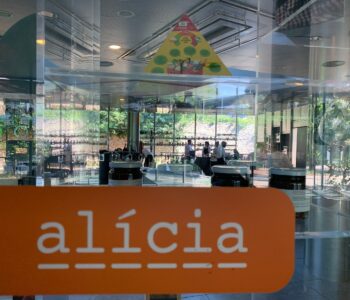
ALICIA Foundation

ALICIA Foundation

The Alícia Foundation is a research center with a social mission, devoted to technological innovation in cuisine, the improvement of eating habits, and the preservation of culinary heritage.

  • Health: Creating dietary solutions for people with specific nutritional needs or illnesses (such as diabetes or cancer).
  • Innovation: Developing new techniques and products to improve the quality of food and industrial processes.
  • Territory: Promoting local products and traditional culinary knowledge to ensure sustainability and cultural identity.

Its goal is to ensure that everyone eats better—meaning food that is healthy, sustainable, and pleasurable.

IRTA

IRTA

The Institute of Agrifood Research and Technology (IRTA) is a public research institute owned by the Government of Catalonia, specialized in the agrifood sector. It aims to modernize and boost the competitiveness of the industry through scientific innovation.

While headquartered in Barcelona (Torre Marimon), it has a network of research centers, experimental farms, and labs across Catalonia (Lleida, Tarragona, Girona, etc.).

Goal: To ensure a sustainable and healthy food supply while supporting the rural economy.

Focus: The entire food value chain “from farm to fork.

EURECAT HOTSPOT

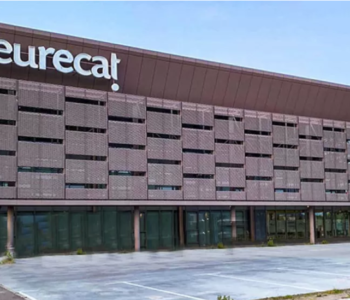
Eurecat

Eurecat is the leading technology center in Catalonia and the second-largest private research organization in Southern Europe. It serves as a bridge between scientific knowledge and industrial application to boost business competitiveness.

A provider of applied R&D, technological services, and specialized training for companies.

Main Services

Training: Highly specialized professional courses via Eurecat AcademyOver 650-700 professionals, an annual income of approximately €50–52M, and a portfolio of over 150 patents.

Applied R&D: Custom innovation projects for SMEs and large corporations.

Infrastructure: Access to more than 20 specialized laboratories and pilot plants for testing and prototyping.

ICFO HOTSPOT

ICFO

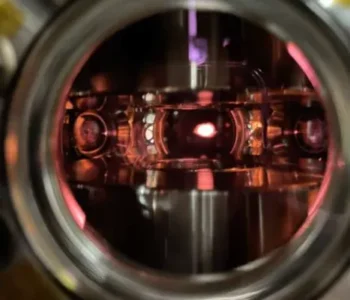
ICFO (The Institute of Photonic Sciences) is a world-class research center located in Castelldefels, just outside Barcelona. It is dedicated to the science and technology of light (photonics) and is widely considered one of the top research institutions in Europe. 

Key Mission and Research

Founded in 2002 by the Government of Catalonia and the Polytechnic University of Catalonia (UPC), ICFO focuses on using light to solve global challenges in: 

  • Health: Developing advanced imaging and laser tools for non-invasive medical diagnostics and therapies.
  • Energy: Researching high-efficiency solar cells and sustainable energy harvesting.
  • Information Technology: Leading innovations in Quantum Computing, cryptography, and ultra-fast optical communications. 

Innovation and Industry

ICFO is highly focused on “knowledge frontier” research that leads to real-world applications:

  • KTT (Knowledge & Technology Transfer): The institute has a dedicated unit to bridge the gap between lab research and the market.
  • Spin-offs: ICFO has launched over 15 startups (such as QusideLuxQuanta, and Sixsenso) specializing in quantum security, environmental monitoring, and biomedical devices.
  • Graphene Hub: It hosts the Graphene Center, exploring the “wonder material” for flexible electronics and next-gen sensors.
STRATASYS HOTSPOT

STRATASYS

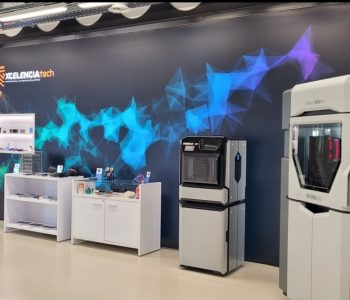
The Stratasys Hub in Barcelona refers to the company’s regional headquarters and innovation space located within the DFactory Barcelona ecosystem.

Stratasys, a global leader in polymer 3D printing, established this physical presence to serve as a center for additive manufacturing excellence in Southern Europe.

Key Activities:

  • Exhibition & Testing: The facility allows local industries to see cutting-edge 3D printing technologies (FDM, PolyJet, SAF, etc.) in action and validate prototypes before full-scale production.
  • Global AM Hubs Summit: As a key resident of DFactory, Stratasys played a leading role in the Global AM Hubs Summit 2025, an event that brought together over 20 additive manufacturing hubs from across Europe to discuss the future of advanced manufacturing.
  • Innovation Ecosystem: By being part of DFactory, Stratasys creates synergies with other tech leaders (like HP and Siemens) to integrate 3D printing with robotics, AI, and IoT.
  • Digital Customer Hub: online platform for clients to manage printers and licenses.

Hotspot BHH

Barcelona Health Hub

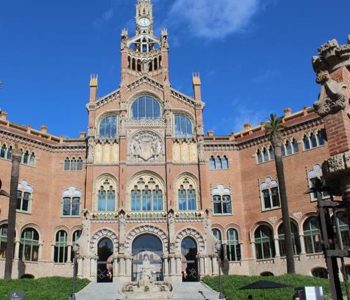
Barcelona Health Hub (BHH) is a global reference center for digital health innovation, headquartered in one of Barcelona’s most iconic architectural landmarks. Founded in 2018, it functions as a non-profit association that accelerates the digital transformation of the healthcare sector by connecting startups, health institutions, and corporations.

BHH acts as a bridge between more than 500 members

  • Startups: Over 325 emerging companies in fields like telemedicine, AI diagnostics, and wearables.
  • Corporate Partners: Global leaders such as Siemens HealthineersHPBayerGrifolsNovo Nordisk, and Vodafone.
  • Health Institutions: Collaborates with major hospitals like Hospital de la Santa Creu i Sant Pau and Vall d’Hebron to validate and implement new technologies.
  • Investors: Includes specialized funds such as Asabys Partners and Ship2B Ventures.
ColoniaGuell HOTSPOT

Colonia Guell Lab

Colònia Güell is a former industrial village located about 20 minutes from Barcelona. Founded in 1890 by entrepreneur Eusebi Güell, it was built to provide a higher quality of life for textile workers and is now a celebrated open-air museum of Catalan Modernisme

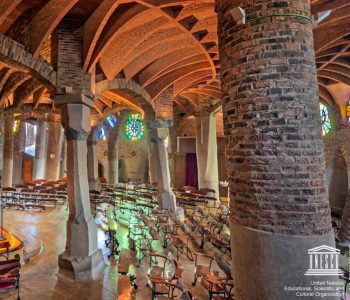
The Gaudí Crypt: a UNESCO World Heritage site. Antoni Gaudí used this church as a “laboratory” to test architectural innovations—such as catenary arches and hyperbolic parabolas—that he would later apply to the Sagrada Família. 

  • Stereostatic Model: Gaudí invented a complex system of hanging strings and weights (poly-funicular model) to calculate the gravity and pressure of arches. By photographing this inverted model, he designed catenary arches that didn’t require external buttresses.
  • Hyperbolic Paraboloids: He was the first to use these warped mathematical shapes in walls and vaults, allowing for curved, organic structures that integrated into the hillside.
  • Material Innovation: He pioneered the use of recycled industrial waste, such as iron slag from the nearby factory and over-fired “waste” bricks, to create textured, cost-effective surfaces. 
Torribera HOTSPOT

Recinte Torribera

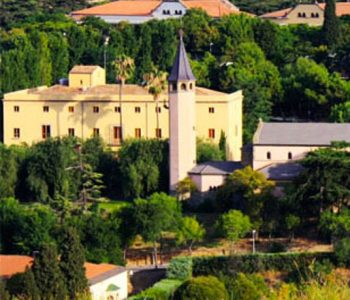
Recinte Torribera is a large, multi-use complex located just north of Barcelona. Originally a medieval farmhouse (masia) rebuilt in the 18th century, it was transformed in the early 20th century into a landmark “mental clinic” and has since evolved into a major university and research hub.

Key Areas and Functions

  • Torribera Food and Nutrition Campus (University of Barcelona): This is the site’s most prominent current feature. It is a specialized campus entirely dedicated to food sciences, nutrition, and gastronomy. It houses research labs, the UB-Bullipèdia Unit (a collaboration with chef Ferran Adrià), and various bachelor’s and master’s programs.
  • Architectural Heritage: The complex is an exceptional example of Novecentista architecture. It was designed by renowned architects Rafael Masó and Josep Maria Pericas, featuring symmetric pavilions, gardens, and a distinctive neo-Gothic church with a black tile pinnacle.
  • Healthcare and Research: The site still maintains a healthcare role as home to the Centre Dr. Emili Mira, a psychiatric and mental health facility managed by Parc de Salut Mar.
  • Nature and Sports: Bordering the Serralada de Marina Natural Park, the enclosure offers green spaces for walking and relaxation. It also includes the Torribera Sports Complex, which features swimming pools, tennis courts, and archery facilities.